Holy infant so tender and mild
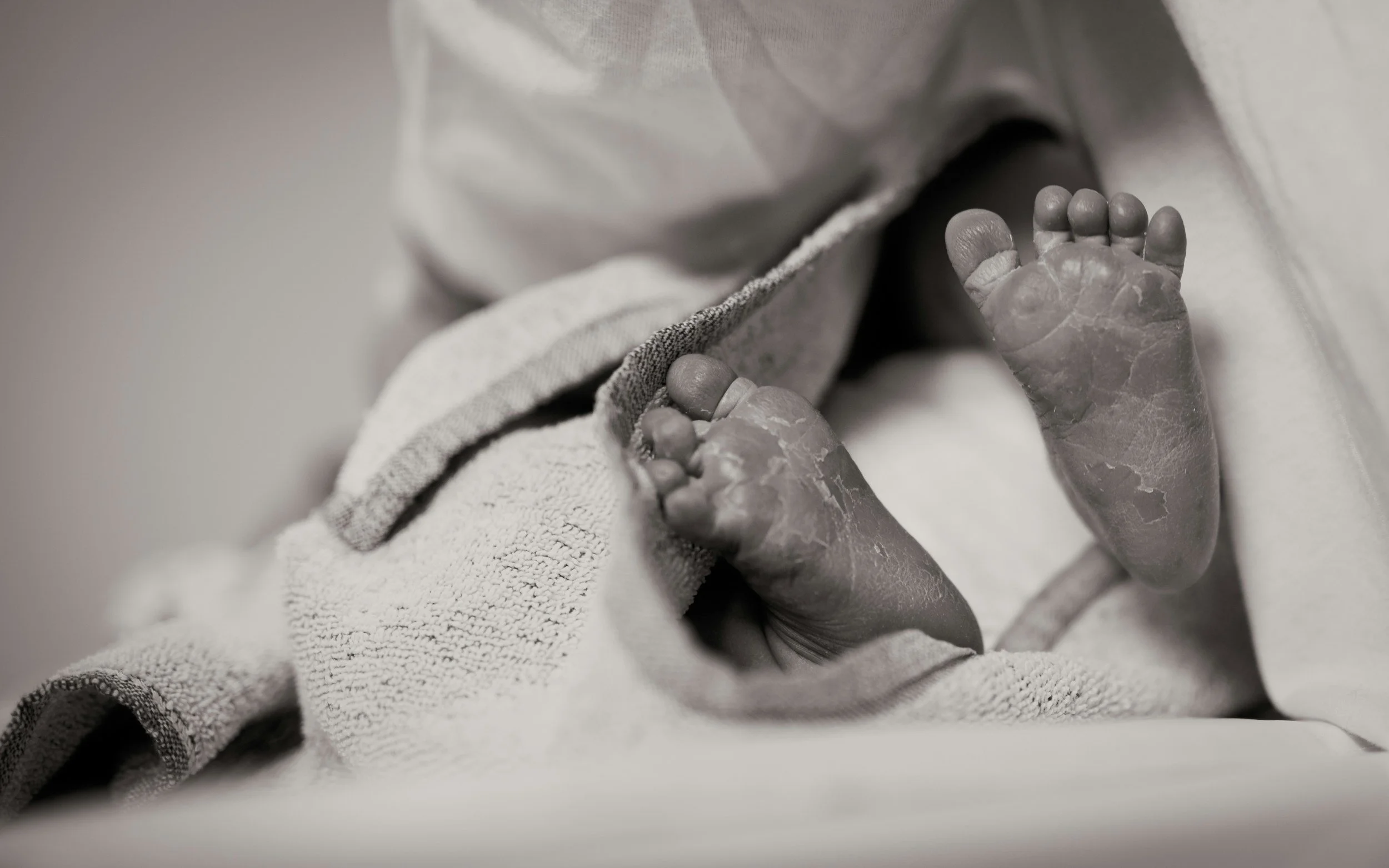
Photo by Janko Ferlič
Now that we are past Thanksgiving, we’re officially in the Christmas season. Since I really like Christmas, and it (at least initially) has to do with Jesus, I plan to write a few things here over the next month about the holiday.
Today: Christmas celebrates the idea that God became a man.
At the heart of the idea of Christmas is a radical notion that God became a human person. He began as an embryo in his mother's womb, underwent full development, was born, and grew from an infant to a child to a man.
So Christmas is supposed to be the celebration of these claims, especially around the birth of Jesus. This is why, in some languages, it's called Nativity rather than Christmas (for example, Navidad in Spanish).
I hope this one point I’m emphasizing today is clear to you. Think about this huge claim for a minute.
The creator of the universe who made our planet and the infinite expanse beyond it, the one who engineered DNA, the author of life—that God entered his own creation in such an unexpected and humble way.
He became infinitesimally small in the form of a child in a womb. He was born in weakness as a baby. And he allowed some people to raise him as their child before growing up to be a man.
Why did he do this? Well, Jesus explains many times that he was born to die. Consider, for example:
From that time Jesus began to show his disciples that he must go to Jerusalem and suffer many things from the elders and chief priests and scribes, and be killed, and on the third day be raised.
And not just die, but like he says, to also conquer death (to “be raised”).
Jesus did many other things, like teach, serve, and perform miracles, but the culmination of the reason God had to become a man was to die a human death on our behalf, and then conquer that death for us as well.
He had to become a man to do this, to be our representative, making a way for us also to have eternal life with God the Father.
This is why we say, merry (or happy) Christmas—feliz (happy Navidad!